.png)

The Ultimate Guide to Choosing the Best Windows: Size and Type
- Home & Interior Journal

- Jul 9, 2025
- 11 min read
Choosing the Best Windows: A Complete Guide with Insights from Interior Designers in Goa
Introduction to Window Selection
Choosing the right windows for your home or building is a critical decision that significantly influences energy efficiency, aesthetics, and functionality. In the realm of residential architecture, well-selected windows not only enhance the visual appeal of the property but also play a vital role in regulating indoor climate and reducing energy costs. Windows are a pivotal element in sustainable design, impacting natural light, ventilation, and heating rates within a space. Therefore, understanding the importance of proper window selection cannot be overstated.
The choice of windows encompasses various factors including size, type, and materials, all of which contribute to the overall effectiveness of the building’s design. For instance, oversized windows may invite abundant natural light, but can also lead to higher energy consumption if not complemented by proper insulation and shading solutions. Conversely, smaller windows might conserve energy but could result in a darker interior, diminishing the overall ambiance.
Different types of windows, such as casement, double-hung, or sliding, can offer distinct advantages depending on the intended use and style of the property. For homes aiming for a traditional aesthetic, double-hung windows may be preferred, while modern builds often opt for larger sliding windows that foster an open feel. Additionally, the selection of window materials, including vinyl, wood, or fiberglass, also impacts durability and maintenance. Incorporating the expertise of Interior designers in Goa can further enhance the selection process, ensuring that the final decisions align with both functional needs and aesthetic aspirations.
In later sections, we will discuss specific factors such as window size and types that are crucial in refining your choices. Whether you are remodeling an existing structure or designing a new one, understanding these elements will elevate both the interior and exterior appeal of your property, helping you achieve a harmonious balance well-suited for your needs.
Understanding Window Size

The size of windows plays a critical role in both residential and commercial spaces, influencing aesthetics, natural lighting, and overall functionality. Selecting the appropriate window size is essential for enhancing the ambiance while also ensuring practicality in usage. For homeowners and builders alike, it is important to understand standard window sizes and how they relate to the various elements of a given space.
Standard window sizes typically vary based on the type of window, with common dimensions for double-hung windows, sliding windows, and casement windows. However, these measurements can be modified to accommodate unique architectural styles or personal preferences. When determining the best window size for a space, several factors should be carefully evaluated, including room size, wall space, and the amount of natural light desired. In smaller rooms, such as bathrooms or dens, smaller window dimensions may be more appropriate, while larger spaces, like living rooms or open-concept kitchens, often benefit from larger window openings that foster brighter environments.
Moreover, the wall space available can greatly dictate window size. It is crucial to consider any obstructions, such as furniture or architectural features, that could affect the effectiveness of a larger window. When measuring for window installation, accuracy is paramount. Begin by measuring the width and height of the window frame, accounting for any necessary allowances in the measurements for the installation process. Employing precise measurements enables the selection of windows that not only fit beautifully but also align with ventilation and energy efficiency needs.
Choosing the right window size greatly enhances the living experience, and it is often advisable to consult with experienced professionals or the best interior designers in Goa to ensure optimal outcomes. Their expertise can offer valuable insights into achieving a harmonious balance between window size, architectural aesthetics, and functional requirements.
Common Types of Windows Explained

When considering the best windows for a home, it is essential to understand the various types available on the market. Each window style serves different functions, appeals to diverse aesthetics, and complements various architectural styles. Here are some of the most common types of windows:
Double-Hung Windows: Double-hung windows are one of the most traditional and widely used window types. They feature two sashes that move up and down, allowing for excellent ventilation. Their classic design fits well in many architectural styles and makes for easy cleaning, as both sashes can tilt inwards. They are popular in both historical and modern builds.
Casement Windows: Casement windows are hinged at the side and open outward, typically using a crank mechanism. This type provides unobstructed views and excellent ventilation because they can be opened fully. Casement windows work well in contemporary designs and are often used in hard-to-reach places or when maximizing airflow is a priority.
Awning Windows: Similar to casement windows, awning windows are hinged at the top and open outward. This design allows for ventilation while still providing protection against rain, making them an ideal choice for wet climates. Awning windows can often be found in combination with other window types, offering a modern touch while enhancing the home's visual appeal.
Sliding Windows: Sliding windows feature two or more sashes that glide horizontally on a track. This design is ideal for modern homes, offering a contemporary look while maximizing views. They are known for their ease of operation and great energy efficiency, making them suitable for spaces where traditional windows might be challenging to operate.
Picture Windows: Picture windows are fixed panes that do not open, primarily designed to frame beautiful outdoor views. They provide excellent natural light and are commonly used in living areas. While they lack ventilation, they are energy efficient and can significantly enhance the overall aesthetic of a home.
Understanding these types of windows and how interior designers in Goa often integrate them into their projects can help homeowners choose the best option for their needs and style. Whether looking for famous interior designers in Goa or the best interior designers in Goa for home renovations, focusing on the right windows will undoubtedly enhance the functionality and design of your space.
Benefits of Different Window Types

Choosing the right type of window is essential for enhancing the aesthetic appeal and functionality of a space. Different window types come with their own set of advantages, making it paramount to understand these benefits. One of the primary considerations is energy efficiency. Windows such as double-pane and triple-pane designs provide superior insulation, reducing energy consumption and maintaining a stable indoor temperature. This is particularly significant in areas with extreme climates, as energy-efficient windows can lead to significant savings on heating and cooling costs over time.
Another advantage lies in the ease of maintenance associated with various window types. For instance, vinyl windows are known for their durability and low upkeep, requiring only occasional cleaning to maintain their appearance. Alternatively, fiberglass windows can last for decades without warping or cracking, offering a long-term, hassle-free solution. Such characteristics make them preferable for homeowners seeking minimal maintenance while maximizing longevity.
Ventilation capabilities also play a crucial role in window selection. Casement and awning windows can be opened to capture breezes, providing effective natural ventilation that can help regulate indoor air quality. Moreover, these window types can be positioned to enhance cross-ventilation, ensuring that every corner of a room can enjoy fresh air. The design allows for better airflow, which can be particularly beneficial during warmer months.
Security is another vital aspect to consider. Sliding windows often feature sturdy locking mechanisms that enhance safety. Similarly, casement windows, when fully closed, create a tight seal that makes forced entry significantly more difficult. Investing in quality windows can thus contribute to the overall security of a home while adding aesthetic value.
Overall, assessing the benefits of different window types—such as energy efficiency, low maintenance, effective ventilation, and enhanced security—will aid homeowners in selecting the best options suited to their needs and preferences.
Choosing the Right Window Size for Your Space
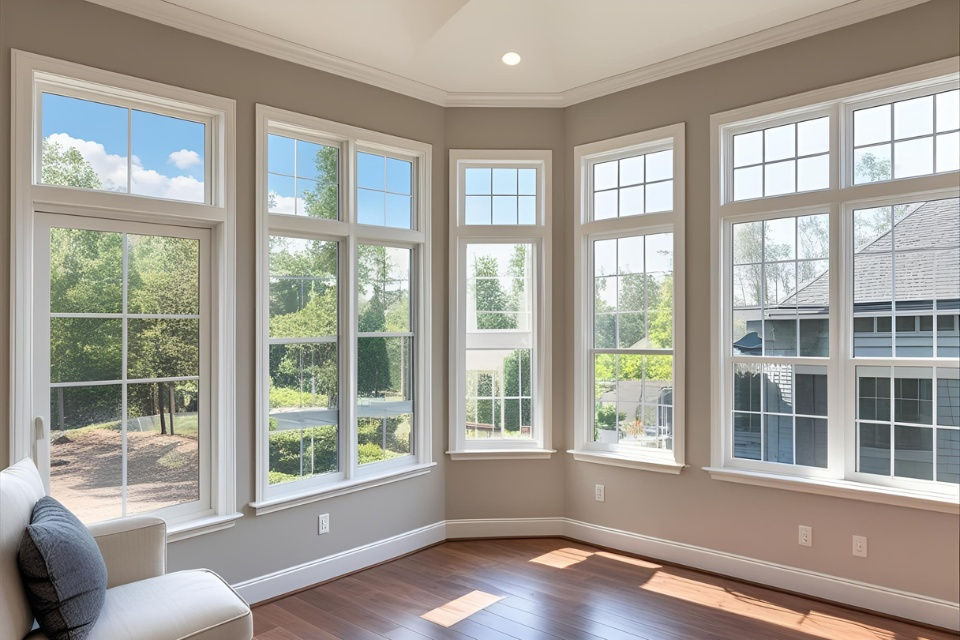
Selecting the appropriate window size is a pivotal decision in interior design, influencing both the aesthetic and functional aspects of a room. One must consider various factors including view preferences, light requirements, and the architectural balance of the space. Large windows, for instance, may be ideal for offering expansive views and allowing natural light to flood in, enhancing the ambiance of a living area. However, it is important to assess whether the structure can support such installations, particularly in homes that incorporate traditional architectural styles.
When determining window size, one should also contemplate the specific purpose of the room. For example, in a home office, larger windows can provide ample daylight, boosting productivity and creating an inviting work environment. Conversely, smaller, strategically placed windows can preserve privacy in bedrooms while still allowing light to penetrate, striking a balance that many homeowners find desirable. As a guideline, windows should generally occupy 10 to 15 percent of a room's wall space, ensuring that they complement rather than overwhelm the design.
The overall aesthetic of the room is another key consideration. Proportions must relate harmoniously to the walls and furnishings. Oversized windows in a compact room may seem out of place, while petite windows in a grand space might appear insignificant. Thus, understanding the scale of the surrounding furniture and decorative elements is crucial for making these decisions. Consultation with professional interior designers in Goa can provide valuable insights into choosing the ideal window sizes tailored to individual preferences and the unique characteristics of the property. With their expertise, you can ensure that your selections contribute positively to the overall design theme of your home.
In conclusion, selecting the right window size requires careful consideration of numerous factors, from functionality to aesthetics. By paying attention to these aspects, homeowners can create a cohesive and inviting atmosphere in their living spaces.
Window Materials: What's Best for You?

When it comes to selecting windows for your home, the materials used for window frames play a significant role in the overall performance, aesthetics, and maintenance of your windows. The most common materials used for window frames include wood, vinyl, aluminum, and fiberglass, each with its own set of advantages and disadvantages that may influence your choice.
Wood is a classic and aesthetically pleasing choice that offers excellent insulation properties. It is available in various styles and finishes, allowing for customization to match the design of your home. However, wood frames require regular maintenance, including painting or staining, to protect against moisture and decay. In areas with high humidity or extreme weather, this might not be the best option.
Vinyl windows have gained popularity due to their affordability and low maintenance requirements. They are energy efficient and resistant to moisture, making them suitable for various climates. However, their style options may be limited compared to wood, and they can expand or contract in extreme temperatures, potentially affecting their durability over time.
Aluminum frames are known for their strength and durability. They are often used in modern architectural designs and require minimal maintenance. However, aluminum has lower insulation properties compared to wood and vinyl, which could lead to higher energy costs in the long run. They are not typically recommended for very cold climates.
Fiberglass windows are increasingly seen as an excellent choice due to their exceptional insulation capabilities and resistance to weathering. They require minimal upkeep and can mimic the look of wood without the associated maintenance. Although they can be more expensive upfront, their durability and energy efficiency may provide savings in the long term.
In selecting the best window material for your home, consider factors such as climate, maintenance preferences, and budget. Making an informed choice in window materials ensures that you enjoy not only aesthetic appeal but also optimal performance from your windows.
Energy Efficiency in Window Selection

One of the most crucial aspects to consider when selecting windows is their energy efficiency. With the increasing focus on sustainability and reducing energy consumption, understanding energy ratings, glazing options, and insulation properties is essential for homeowners. This knowledge not only helps in reducing energy costs but also enhances indoor comfort, making it a significant consideration for those looking to work with interior designers in Goa, who can further customize designs based on these factors.
When evaluating the energy efficiency of windows, it is important to check the ENERGY STAR ratings. These ratings indicate that a window meets specific energy efficiency guidelines set by the U.S. Environmental Protection Agency and the U.S. Department of Energy. Looking for windows labeled with these ratings ensures that you are choosing products that can contribute to lower heating and cooling costs over time.
The glazing options available for windows play a vital role in energy efficiency. Double or triple glazing can significantly reduce heat transfer, providing better insulation compared to single-pane windows. By incorporating argon or krypton gas between glazing layers, these designs further enhance performance by minimizing heat loss or gain. As homeowners consult with the best interior designers in Goa, they can explore these options to achieve not just aesthetic appeal but also energy-saving functionality.
Insulation properties of window frames also merit attention; frames made from materials such as vinyl or fiberglass tend to offer better insulation than traditional aluminum frames, which can conduct heat. It is, therefore, beneficial to consider energy-efficient window models that utilize advanced framing technologies to minimize energy exchange between the interior and exterior. By making informed choices along these lines, one can collaborate effectively with top interior designers in Goa, ensuring that aesthetics and energy efficiency go hand-in-hand.
In conclusion, selecting energy-efficient windows involves more than just visual appeal. Homeowners must prioritize energy ratings, glazing, and insulation to create a comfortable, cost-effective living space, and collaboration with reputable interior designers can further enhance these efforts.
Trends in Window Design
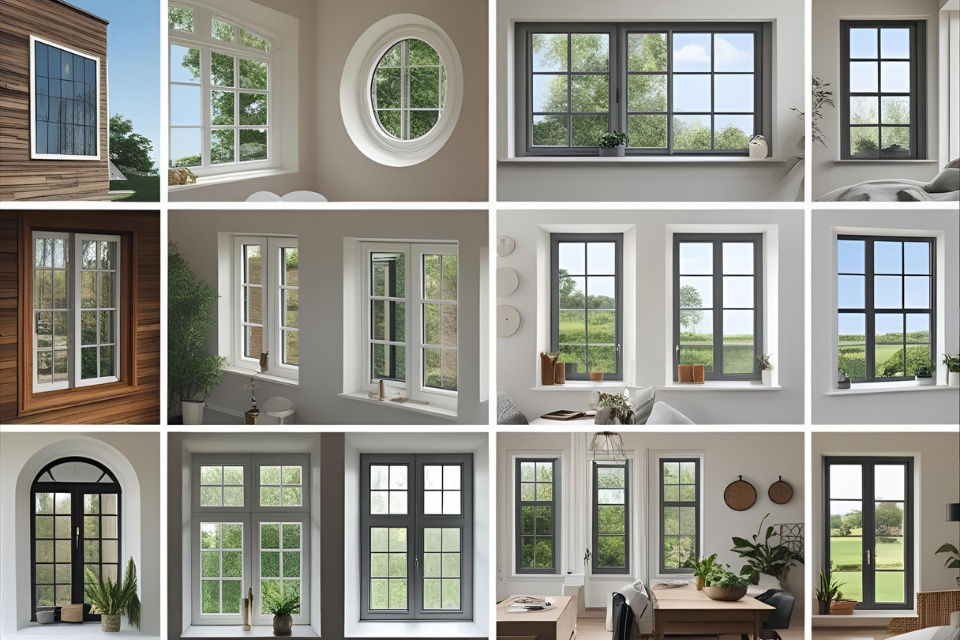
In recent years, window design has evolved significantly, influenced by technological advancements and shifting aesthetic preferences. Among the prominent trends is the rise of smart windows. These innovative solutions integrate various technologies such as electrochromic glazing, which enables the glass to change its tint based on sunlight exposure. Smart windows not only enhance energy efficiency by regulating indoor temperatures but also contribute to privacy control and the overall aesthetic appeal of homes. Interior designers in Goa are increasingly incorporating these modern elements into their projects, tailoring designs to suit both functionality and the desires of clients.
Another noteworthy trend is the preference for larger windows that provide expansive views and an abundance of natural light. Homeowners are increasingly looking to blur the boundaries between indoor and outdoor spaces, leading to the popularity of oversized sliding doors and picture windows. This trend reflects a shift towards creating an open and airy environment, making homes feel more spacious. Prominent interior designers in Goa are leveraging this approach to enhance their clients’ living spaces, focusing on maximizing scenic vistas while ensuring that design coherence is maintained throughout the home.
Furthermore, there is a growing emphasis on eco-friendly window options. Homeowners are becoming more aware of their environmental impact and are looking for ways to make sustainable choices. This includes selecting windows manufactured from recycled materials or those that offer superior thermal performance. By opting for such windows, homeowners not only contribute to environmental sustainability but also benefit from reduced energy costs over time. Consequently, the best interior designers in Goa are adept at balancing ecological considerations with aesthetic values, ensuring that modern windows serve both functional and stylistic purposes in contemporary home design.
Conclusion and Final Tips
Choosing the right windows for your home or office is a crucial decision that significantly impacts both aesthetics and functionality. As we have explored throughout this guide, it is essential to consider various factors such as size, type, and the specific needs of your space. The appropriate window size can enhance natural light, ventilation, and overall energy efficiency, while the type of window selected should align not only with your architectural style but also with your functional requirements.
When narrowing down your choices, it is advisable to conduct thorough research on the best window materials available in the market. From traditional wooden frames to modern aluminum and vinyl options, each material has its own unique advantages. Furthermore, incorporating the insights of experienced interior designers in Goa can provide valuable perspectives on how to integrate windows harmoniously within your space. Look for famous interior designers in Goa who have a proven track record, as their expertise can save you time and ensure optimal results.
Additionally, do not overlook the importance of energy efficiency when selecting windows. Invest in double or triple-glazed options if possible, as they offer better insulation and long-term cost savings on heating and cooling. Keep in mind that the styles you choose (casement, sliding, or bay windows, for instance) should complement the overall design theme of your home while meeting practical needs. It might be helpful to consult the top 10 interior designers in Goa for their recommendations on styles and installations that suit your preferences.
In summary, taking the time to ask the right questions and assess your needs can lead to a successful window selection process. By considering factors such as size, type, and expert guidance, you can ensure that your windows not only enhance the beauty of your space but also contribute to its overall functionality and efficiency.


Comments