.png)

15 Luxury Interior Design Trends Indian Homeowners Love in 2026

Introduction
Luxury interior design in India is changing.
The idea of a luxury home once meant oversized furniture, glossy finishes, elaborate ceilings, expensive marble and lots of decoration. Today, many homeowners are moving toward a more sophisticated idea of luxury—one based on comfort, craftsmanship, personalization, quality materials and thoughtful design.
This shift is especially visible in premium urban homes, apartments, villas and luxury residences across Mumbai, Delhi, Bengaluru, Hyderabad, Pune and other major Indian cities.
Modern Indian homeowners increasingly want interiors that feel exclusive without appearing excessive. Natural stone, warm wood, bespoke furniture, layered lighting, smart-home technology, indoor greenery and Indian craftsmanship can now work together to create a refined home.
At the same time, current Indian interior-design discussions emphasize warmer minimalism, natural materials, personalization, multifunctional spaces and a renewed appreciation for craftsmanship.
So, what are the luxury interior design trends shaping Indian homes in 2026?
Let's explore 15 of the most important ideas.
What Defines Luxury Interior Design in 2026?
Before discussing individual trends, it's important to understand what luxury means today.
Luxury isn't simply about spending more money. Explore our Luxury Interior Design Trends 2026 guide for the latest ideas in sophisticated and timeless interiors.
A genuinely luxurious interior usually combines:
High-quality materials
Excellent craftsmanship
Comfortable furniture
Thoughtful proportions
Customization
Functional planning
Good lighting
Visual harmony
Personal character
Attention to detail
A ₹10 lakh interior can look more sophisticated than a ₹50 lakh interior if the space has better proportions, materials and planning.
The goal should be quiet sophistication rather than unnecessary extravagance.
1. Warm Minimalism

Warm minimalism is one of the strongest directions in contemporary interiors.
Instead of cold white rooms, luxury homeowners are choosing warmer palettes and tactile materials.
Think:
Cream
Beige
Taupe
Natural wood
Stone
Linen
Brass
Soft lighting
The room remains uncluttered, but it doesn't feel empty.
Why Homeowners Love It
Warm minimalism makes luxury feel effortless.
Rather than displaying expensive objects everywhere, it lets a few high-quality pieces become focal points.
For example:
Natural stone floor + custom sofa + wood paneling + statement lighting
can create a luxurious atmosphere without excessive decoration.
2. Natural Stone and Statement Marble

Natural stone remains a favorite material for luxury interiors.
But the approach is becoming more selective.
Instead of covering every surface with marble, designers are using distinctive stone as a focal point.
Popular applications include:
Feature walls
Kitchen islands
Bathroom walls
Fireplace surrounds
Console tables
Flooring
Coffee tables
Book-Matched Stone
Book-matched slabs can create a dramatic symmetrical pattern, especially on feature walls.
The key is restraint.
A striking stone wall often has more impact than several competing marble surfaces. Explore our Luxury Home Interiors India guide for sophisticated and timeless design inspiration.
3. Bespoke Furniture

Mass-produced furniture is convenient, but bespoke furniture offers something luxury homeowners increasingly value: individuality.
Custom furniture can be designed around:
Room dimensions
Lifestyle
Preferred materials
Storage needs
Color palette
Ergonomic requirements
A custom sofa can fit a difficult corner perfectly.
A bespoke dining table can become the centerpiece of the room.
A handcrafted console can incorporate storage without looking like a storage cabinet.
Why It's a Luxury
True luxury isn't always recognizable by price.
Sometimes it's simply the fact that something was made specifically for you.
4. Indian Craftsmanship Meets Contemporary Design

One of the most exciting trends is the combination of modern architecture with Indian craftsmanship.
Instead of creating an entirely traditional home, designers are incorporating carefully
selected elements such as:
Hand-carved wood
Brass
Cane
Stone carving
Handwoven textiles
Terracotta
Indian artwork
Artisan ceramics
Example
Imagine a contemporary living room with:
Neutral walls
Modern sofa
Minimal TV unit
Teak console
Brass lighting
Handwoven rug
Indian artwork
The result feels sophisticated while retaining cultural identity.
5. Statement Lighting

Lighting is no longer just functional.
It has become architecture and art.
Luxury homes are increasingly using:
Sculptural chandeliers
Oversized pendants
Artistic floor lamps
Wall sconces
Backlit stone
Cove lighting
Decorative table lamps
A large statement light above a dining table can become the focal point of the entire space.
Don't Overdo It
If the lighting fixture is dramatic, keep surrounding elements relatively restrained.
Luxury often comes from controlled contrast.
6. Smart Home Technology

Modern luxury increasingly includes invisible technology. Explore our Smart Home Automation guide for ideas on integrating technology seamlessly into your home.
Homeowners are integrating:
Automated lighting
Motorized curtains
Smart thermostats
Security systems
Home entertainment
Automated blinds
Voice-controlled systems
Smart switches
The best smart-home technology doesn't necessarily announce itself.
Instead, it works quietly in the background.
The Luxury of Convenience
Imagine pressing one button to:
Dim the lights
Close curtains
Adjust temperature
Start music
That's a different kind of luxury—one based on convenience rather than decoration.
7. Spa-Like Bathrooms

Luxury is moving beyond the living room.
Premium homeowners increasingly want bathrooms to feel like private wellness spaces. Explore our Modern Bathroom Design guide for stylish and relaxing bathroom ideas.
Consider:
Large-format stone
Walk-in showers
Rain showerheads
Freestanding bathtubs
Backlit mirrors
Floating vanities
Ambient lighting
Premium fittings
Built-in niches
A Better Approach
Don't simply add expensive fittings.
Focus on:
Good layout + excellent lighting + quality materials + comfortable proportions
That's what makes a bathroom feel luxurious.
8. Home Wellness Spaces
Wellness has become an important part of residential design.
Depending on available space, luxury homes may include:
Yoga rooms
Meditation corners
Home gyms
Spa areas
Reading rooms
Relaxation zones
You don't need a dedicated room.
A quiet corner with natural light, comfortable flooring and minimal furniture can become a meditation space.
Design Principle
Wellness spaces should feel visually calm.
Avoid filling them with excessive decoration.
9. Biophilic Luxury

Luxury homes are increasingly bringing nature indoors.
This can include:
Large indoor plants
Vertical gardens
Courtyards
Natural stone
Wooden surfaces
Large windows
Nature-inspired colors
The concept goes beyond decoration. Explore our Luxury Interior Design India guide for sophisticated and timeless design inspiration.
It aims to create stronger connections between people and nature.
For Apartments
Use:
Large potted plants
Balcony greenery
Indoor planters
Natural materials
Nature-inspired artwork
For Villas
Consider:
Courtyards
Indoor gardens
Large openings
Landscaped views
Water features
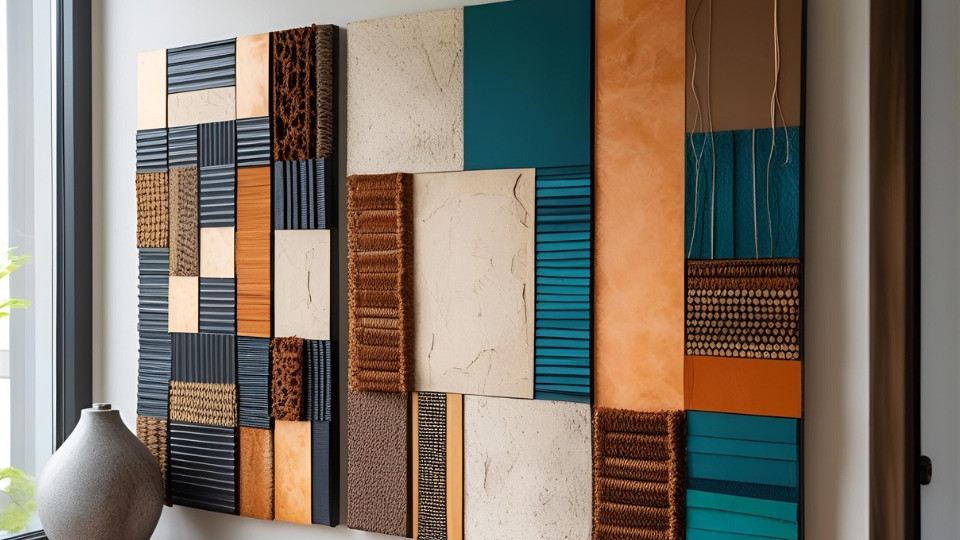
10. Textured Walls and Architectural Surfaces

Flat painted walls are no longer the only option.
Luxury interiors are experimenting with:
Fluted wood
Limewash-inspired textures
Microcement
Stone cladding
Decorative plaster
Fabric panels
Fluted glass
These finishes create depth without requiring excessive decoration.
Fluted Details
Fluted wood or paneling can be particularly effective behind:
TV units
Beds
Dining areas
Consoles
Entry foyers
Use textured walls selectively.
One strong feature usually works better than covering every wall.
11. Curves and Organic Shapes

Curves are softening contemporary luxury interiors.
Instead of relying entirely on rectangular furniture, designers are using:
Curved sofas
Round coffee tables
Arched doorways
Rounded islands
Circular mirrors
Curved walls
Organic furniture
Curves can make a large luxury room feel more inviting.
Use Contrast
A curved sofa against a linear wall or rectangular coffee table can create an interesting balance.
12. Layered Neutral Color Palettes

Neutral doesn't mean boring.
Luxury interiors increasingly use several shades of similar colors to create depth.
For example:
Ivory + cream + beige + taupe + walnut
Or:
Sand + olive + brown + brass
The secret is layering.
Use different shades and textures rather than one flat color.
Add One Accent
A small amount of:
Deep green
Burgundy
Navy
Rust
Charcoal
can create contrast.
13. Dedicated Entertainment Spaces

Luxury homeowners are increasingly designing homes around experiences.
Depending on the property size, this could include:
Home theatre
Gaming room
Music room
Bar area
Lounge
Library
The trend reflects a broader idea of luxury: the luxury of enjoying your own home.
A well-designed media room doesn't need to look like a commercial cinema.
Comfortable seating, acoustic treatment, controlled lighting and good technology can create a premium experience. Our Modern Luxury Home Design guide showcases ways to combine comfort, technology, and contemporary style.
14. Personalized Art and Collectibles

Luxury interiors are becoming more personal.
Instead of generic decorative objects, homeowners are displaying:
Original paintings
Sculptures
Photography
Family heirlooms
Travel collections
Artisan objects
Limited-edition pieces
The One-Statement-Piece Rule
If you have an exceptional artwork, give it space.
Don't surround it with ten other competing objects.
Negative space can make an artwork feel more valuable.
15. Quiet Luxury and Timeless Materials

Perhaps the biggest luxury trend is also the simplest:
Buy less, but buy better.
Quiet luxury focuses on:
Quality
Craftsmanship
Comfort
Natural materials
Timeless proportions
Subtle detailing
Instead of choosing a design that screams "luxury," homeowners are increasingly creating rooms that feel luxurious because everything is well considered.
Think:
Excellent sofa + beautiful wood + quality stone + elegant lighting + uncluttered layout
Rather than:
Glossy surfaces + excessive gold + oversized furniture + too many decorative pieces.
Modern Luxury vs Traditional Luxury in Indian Homes
Indian homeowners don't have to choose between contemporary and traditional design.
A modern luxury home can incorporate traditional elements beautifully.
Modern Luxury | Traditional Indian Luxury |
Clean lines | Carved details |
Natural stone | Traditional woodwork |
Smart technology | Brass craftsmanship |
Neutral colors | Rich textiles |
Minimal furniture | Statement furniture |
Contemporary lighting | Decorative lamps |
Built-in storage | Antique cabinets |
Modern art | Indian artwork |
The Best Approach
Use modern design for:
Layout
Technology
Storage
Kitchen
Lighting infrastructure
Use traditional Indian elements for:
Art
Textiles
Furniture
Accessories
Craftsmanship
This creates a home that's contemporary but still connected to Indian culture.
Luxury Interior Design Trends for Indian Apartments
Luxury isn't limited to villas.
Even a compact apartment can feel premium. Explore our Luxury Apartment Interior Design guide for elegant and space-efficient ideas.
For a 2BHK
Focus on:
Custom storage
Quality lighting
Premium kitchen
Statement living-room wall
Good furniture
Natural materials
For a 3BHK
Add:
Bespoke furniture
Feature stone
Home office
Premium bathroom
Larger artwork
Smart-home features
For a Luxury Villa
Consider:
Courtyard
Home theatre
Wellness room
Large kitchen island
Indoor-outdoor living
Landscape integration
How Much Does Luxury Interior Design Cost in India?
There isn't a universal luxury interior design price.
The budget depends on:
Property size
City
Design complexity
Materials
Custom furniture
Kitchen
Wardrobes
Lighting
Technology
Civil work
Flooring
Bathroom specifications
Loose furniture
Art and decor
Two homes with the same carpet area can have dramatically different budgets.
Where to Spend More
If your budget is limited, prioritize:
Kitchen hardware
Wardrobes
Sofa and mattress
Lighting
Flooring
Bathroom fittings
Frequently used furniture
Where You Can Save
You can often reduce costs by being selective with:
Decorative accessories
Accent walls
Temporary trends
Non-essential custom furniture
Luxury is about quality and proportion, not spending blindly.
How to Create a Luxury Look Without Overspending
You don't need a mansion to create sophistication.
1. Improve Lighting
Good lighting can transform inexpensive materials.
2. Reduce Clutter
A clean room automatically looks more refined.
3. Choose One Statement Material
For example, beautiful stone on a single wall.
4. Use Full-Height Curtains
They can make rooms feel taller and more polished.
5. Invest in One Excellent Furniture Piece
A quality sofa or dining table can anchor the room.
6. Add Indian Craftsmanship
A handmade object can provide more character than multiple generic accessories.
7. Keep Colors Consistent
A cohesive palette makes an interior look intentional.
Common Luxury Interior Design Mistakes
1. Using Too Much Gold
Gold can be elegant, but excessive metallic finishes can quickly look dated.
2. Overusing Marble
Beautiful stone loses impact when every surface competes for attention.
3. Buying Oversized Furniture
Luxury requires appropriate proportions.
4. Ignoring Comfort
A beautiful room should still be comfortable.
5. Using Too Many Trends
Choose trends that support your long-term style.
6. Poor Lighting
Even expensive materials can look ordinary under poor lighting.
7. Forgetting Storage
Clutter can undermine the appearance of an otherwise premium home.
8. Copying Social Media Interiors
Your home should reflect your lifestyle, not simply reproduce a photograph.
How to Choose the Right Luxury Interior Designer
A luxury interior project requires more than attractive 3D visuals. Explore our Modern Indian Home Interiors guide for sophisticated and practical design inspiration.
Look for a designer or interior design company with experience in:
Premium materials
Custom furniture
Lighting
Electrical planning
Smart-home integration
Project management
Vendor coordination
Quality control
Review Completed Projects
Don't look only at renders.
Ask to see completed homes.
Pay attention to:
Finishing quality
Cabinet alignment
Hardware
Stone joints
Lighting
Material transitions
Furniture proportions
Ask for a Detailed Proposal
It should clearly identify:
Scope
Materials
Specifications
Timeline
Payment stages
Installation
Warranty
Exclusions
This can prevent unpleasant surprises later.
Frequently Asked Questions
1. What are the biggest luxury interior design trends in India in 2026?
Major directions include warm minimalism, natural stone, bespoke furniture, Indian craftsmanship, statement lighting, smart-home technology, spa-inspired bathrooms, biophilic design, textured walls, curves, layered neutrals and personalized art.
2. Is luxury interior design only for large homes?
No. Luxury is primarily about quality, planning and proportion. A well-designed 2BHK apartment can feel luxurious without using excessive furniture or decoration.
3. Is marble still popular in luxury Indian interiors?
Yes, but its use is becoming more selective. Statement stone and distinctive slabs can create stronger visual impact than covering every surface in marble.
4. What colors are popular for luxury Indian homes?
Warm neutrals such as cream, ivory, beige, taupe and brown are strong foundations. Deep green, terracotta, burgundy and navy can be used as accents.
5. What makes an interior look expensive?
Good proportions, quality materials, clean finishing, layered lighting, coordinated colors, comfortable furniture and visual restraint often make a greater difference than simply choosing expensive products.
6. Is smart-home technology part of luxury interior design?
Yes. Automated lighting, curtains, climate control, security and entertainment can add convenience and create a more seamless premium experience.
7. Can traditional Indian furniture work in a luxury modern home?
Absolutely. A handcrafted wooden piece, brass lamp, Indian artwork or handwoven rug can add cultural character to a contemporary interior.
8. What is quiet luxury in interior design?
Quiet luxury emphasizes craftsmanship, quality, comfort and timeless design rather than obvious displays of wealth or excessive decoration.
9. How can I make my home luxurious on a budget?
Prioritize lighting, furniture proportions, storage, a cohesive color palette and one or two statement materials. You can also incorporate Indian craftsmanship selectively.
10. Should luxury interiors follow trends?
Trends can provide inspiration, but the foundation should remain timeless. Invest in layout, storage, quality furniture and durable materials, then use trends in easily changeable elements.
Conclusion
The meaning of luxury in Indian interior design is evolving. For more inspiration, explore our Indian Luxury Interior Design guide.
Today's most sophisticated homes aren't necessarily the ones with the most expensive finishes. They're the homes where materials, lighting, furniture, technology and craftsmanship work together naturally.
Warm minimalism creates calm.
Natural stone creates character.
Bespoke furniture creates individuality.
Indian craftsmanship creates identity.
Smart technology creates convenience.
Layered lighting creates atmosphere.
And personalized art makes the home feel truly yours.
The strongest luxury interior design trends for Indian homeowners in 2026 share one common idea: luxury should be experienced, not merely displayed.
So, rather than asking how many expensive materials you can fit into a room, ask a better question:
What would make everyday life in this home feel exceptional?
That answer is the foundation of genuinely luxurious interior design.


Comments