.png)

Best Interior Designers Mumbai: Home Design Guide 2026

Mumbai, the city that never sleeps, is also a city that constantly reinvents itself, and nowhere is this more evident than in its vibrant and dynamic interior design scene. As of 2026, homeowners and developers in India's financial capital are seeking spaces that are not just aesthetically pleasing but also functional, sustainable, and reflective of their personal narratives. The demand for expert interior designers in Mumbai has surged, driven by a desire for personalized living experiences that blend global trends with local sensibilities. From opulent penthouses overlooking the Arabian Sea to cozy, efficient apartments in the bustling suburbs, the right designer can transform a house into a dream home.
This ultimate guide for 2026 delves into what makes an interior designer truly stand out in Mumbai's competitive market. We'll explore the key factors to consider when choosing a designer, highlight emerging trends shaping Mumbai's residential interiors, and showcase some of the leading firms and individual talents that are setting new benchmarks in home design. Whether you're embarking on a complete renovation, building a new home, or simply looking to refresh a single room, understanding the landscape of Mumbai's interior design elite is your first step towards creating a truly exceptional living space.
The Evolving Landscape of Mumbai Interior Design in 2026

Mumbai's interior design sector is in a constant state of evolution, mirroring the city's rapid urbanization and its residents' increasingly sophisticated tastes. Gone are the days when elaborate, heavy furnishings were the sole definition of luxury. Today, the focus has shifted towards smart, sustainable, and personalized design solutions.
Key Trends Shaping Mumbai Homes in 2026
Several overarching trends are dominating residential interiors across Mumbai this year:
Biophilic Design: Bringing the outdoors in is no longer a niche concept. Biophilic design, which incorporates natural elements like plants, natural light, and organic materials, is becoming a staple. This trend is particularly relevant in a dense urban environment like Mumbai, offering a sense of calm and well-being. Expect to see more indoor gardens, living walls, and extensive use of wood, stone, and natural fibers. Studies have shown that incorporating nature into interior spaces can reduce stress and improve cognitive function, making this a design choice with tangible health benefits. According to a report by Grand View Research, the global biophilic design market is projected for significant growth, indicating its widespread adoption.
Smart Home Integration: Technology is seamlessly weaving itself into the fabric of our homes. In 2026, smart home features are not just about convenience but also about energy efficiency and security. Integrated lighting systems, automated climate control, voice-activated assistants, and smart security are becoming standard expectations. Designers are tasked with integrating these technologies discreetly, ensuring they enhance the aesthetic rather than detract from it. This integration requires a deep understanding of both design principles and technological capabilities, a hallmark of top-tier designers.
Sustainable and Eco-Friendly Materials: With growing environmental consciousness, there's a significant push towards sustainable materials. This includes recycled wood, bamboo, cork, low-VOC paints, and recycled fabrics. Designers are increasingly prioritizing sourcing materials locally to reduce carbon footprints and supporting ethical manufacturing practices. This commitment to sustainability doesn't mean compromising on luxury; rather, it redefines it.
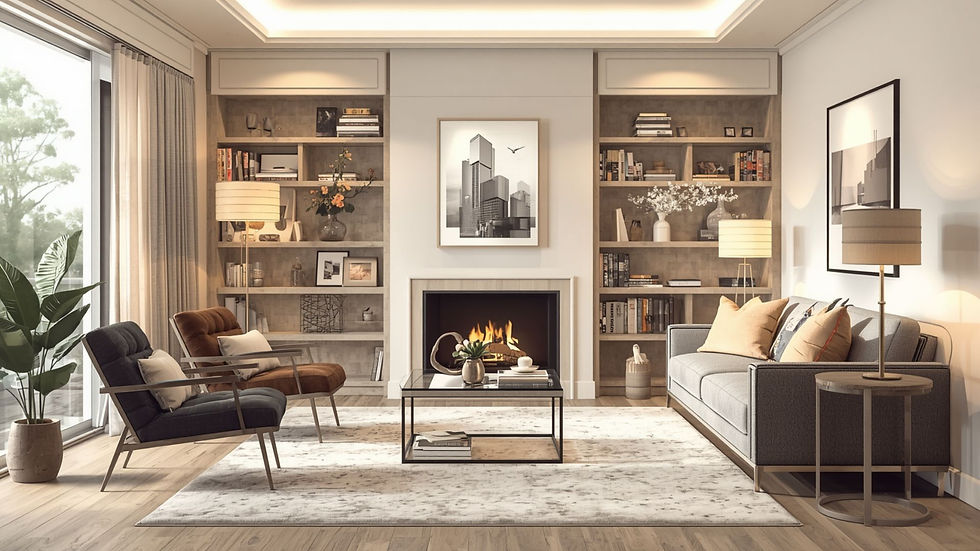
Minimalism with Warmth: While minimalism remains a strong aesthetic, the starkness of pure minimalism is being softened. The trend is towards "warm minimalism," which combines clean lines and uncluttered spaces with natural textures, earthy color palettes, and comfortable furnishings. The goal is to create serene environments that feel inviting and lived-in, rather than sterile.
Personalization and Bespoke Solutions: Mass-produced furniture and generic decor are giving way to a desire for unique, personalized spaces. This means custom-designed furniture, bespoke artwork, and layouts tailored to individual lifestyles and preferences. Designers are acting as curators, helping clients express their individuality through their homes.
Multifunctional Spaces: In a city where space is often at a premium, creating versatile and multifunctional areas is crucial. This involves modular furniture, cleverly designed storage solutions, and adaptable layouts that can serve multiple purposes – from a home office that can transform into a guest room to a living area that doubles as an entertainment zone.
The Role of the Interior Designer in 2026
In 2026, an interior designer in Mumbai is more than just someone who picks out furniture. They are:
Problem Solvers: Addressing spatial constraints, budget limitations, and functional needs.
Trend Forecasters: Staying ahead of global and local design movements.
Sustainability Advocates: Guiding clients towards eco-conscious choices.
Technology Integrators: Seamlessly incorporating smart home solutions.
Project Managers: Overseeing the entire renovation or build process, from concept to completion.
Cultural Interpreters: Blending international aesthetics with Indian traditions and client aspirations.
Criteria for Selecting the Best Interior Designers in Mumbai

Choosing the best interior designer in Mumbai is a critical decision that can significantly impact the outcome of your home project. In Mumbai's bustling market, several factors distinguish the truly exceptional from the merely competent, including design expertise, execution quality, and attention to detail.
1. Portfolio and Specialization
The first step is to scrutinize a designer's portfolio. Look for projects that resonate with your personal style and the type of space you envision. Do they specialize in residential projects? Do they have experience with your specific type of dwelling (e.g., apartments, villas, penthouses)? A strong portfolio should showcase a diverse range of successful projects, demonstrating creativity, attention to detail, and a consistent quality of execution.
2. Client Testimonials and Reviews
What are past clients saying? Positive testimonials and reviews are invaluable indicators of a designer's professionalism, reliability, and ability to meet client expectations. Look for feedback on communication, adherence to timelines and budgets, and overall satisfaction with the final result. Platforms like Google Reviews, Houzz, and even social media can provide insights.
3. Design Philosophy and Approach
Each designer has a unique philosophy and approach. Some might be known for their minimalist aesthetic, others for opulent grandeur, and some for their innovative use of space. It's crucial to find a designer whose philosophy aligns with your vision. Schedule an initial consultation to understand their creative process, how they collaborate with clients, and their general aesthetic.
4. Communication and Collaboration
Effective communication is paramount. The best designers are excellent listeners, able to understand your needs, preferences, and constraints. They should be transparent about their process, costs, and timelines, and be responsive to your queries. A good working relationship is built on trust and open dialogue.
5. Budget Management and Transparency
Interior design projects can be significant investments. Reputable designers are transparent about their fees and how they manage project budgets. They should provide detailed quotes and be upfront about potential additional costs. Understanding their fee structure (hourly, fixed fee, percentage of project cost) is essential.
6. Technical Expertise and Project Management
Beyond aesthetics, a designer needs strong technical skills. This includes knowledge of building codes, materials, lighting, ergonomics, and space planning. Excellent project management skills are also vital to ensure the project stays on track, within budget, and meets quality standards.
7. Innovation and Trend Awareness
While personal style is key, the best designers are also aware of current trends and innovations, particularly in areas like sustainable design, smart home technology, and material science. They should be able to incorporate these elements thoughtfully, enhancing both the beauty and functionality of your space.
Top Interior Design Firms and Designers in Mumbai (2026)

Mumbai boasts a plethora of talented interior designers and firms, each bringing a unique flair to the city's design landscape. While a definitive "best" list is subjective and depends on individual needs, several consistently receive acclaim for their quality, innovation, and client satisfaction. Here are some of the leading names to consider in 2026:
Studio Names Known for Excellence
Home2decor Studio (Mumbai): Often celebrated for its ability to seamlessly blend contemporary sophistication with timeless Indian elegance, Home2Decor creates refined, highly personalized interiors for discerning homeowners. Every project reflects a perfect balance of modern luxury and cultural character, resulting in spaces that feel both exclusive and deeply inviting.
Their portfolio spans sleek urban residences, lavish penthouses, elegant villas, and expansive family homes—each crafted with impeccable attention to detail and a clear understanding of the client’s lifestyle and aspirations. Renowned for curated material palettes, rich textures, bespoke furniture, and statement finishes, Home2Decor transforms interiors into timeless expressions of luxury living.
From concept to completion, they deliver a seamless high-end design experience where craftsmanship, comfort, and sophistication come together effortlessly.
Artizen Interiors: With a reputation for creating luxurious yet functional living environments, Artizen Interiors is a go-to for clients seeking a high-end finish. Their expertise lies in crafting seamless transitions between spaces, incorporating smart technology discreetly, and using premium materials. They excel in designing spaces that are both visually stunning and highly livable, often incorporating elements of classic design with modern sensibilities. Their project management is also frequently highlighted in client reviews.
Spaces Architects: Known for their innovative approach to space planning and modern design, Spaces Architects creates interiors that are both practical and aesthetically striking. They have a knack for maximizing natural light and creating a sense of spaciousness, even in compact urban dwellings. Their work often features clean lines, a neutral palette punctuated by bold accents, and a strong emphasis on functionality. They are pioneers in integrating sustainable design principles into their projects.
DesignQube: This firm has carved a niche for itself by focusing on creating personalized and narrative-driven spaces. DesignQube believes that every home should tell a story, and they work closely with clients to translate their life experiences and aspirations into their interiors. Their designs are characterized by a thoughtful curation of elements, a harmonious blend of colors and textures, and an emphasis on creating comfortable, inviting atmospheres.
Saloni Design Collective: Led by the acclaimed designer Saloni Sharma, this collective is recognized for its contemporary and chic designs. They are adept at creating spaces that are both fashionable and timeless, often incorporating bespoke artwork and unique decorative pieces. Their approach emphasizes a balance between aesthetics and practicality, ensuring that the spaces they design are not only beautiful but also highly functional for modern living.
Individual Designers Making Waves
Beyond established firms, several Mumbai interior designers are gaining significant recognition in 2026 for their unique vision and exceptional execution. These Mumbai interior designers often bring a more hands-on, personalized approach to their projects, ensuring each space reflects the client’s lifestyle and preferences.
Rohan Mehta (Founder, Urban Canvas Designs): Rohan Mehta is celebrated for his ability to infuse urban spaces with a sense of serenity and sophistication. His designs often feature a minimalist palette, natural materials, and an emphasis on natural light. He is particularly skilled at creating functional layouts that enhance the flow of movement within an apartment. His commitment to sustainable practices is also a significant draw for environmentally conscious clients.
Priya Kapoor (Principal Designer, Aura Interiors): Priya Kapoor is known for her eclectic and vibrant design style. She masterfully blends different textures, colors, and patterns to create dynamic and personalized spaces. Her work often incorporates traditional Indian elements with a modern twist, resulting in interiors that are both unique and deeply rooted in cultural context. She is also praised for her excellent client communication and project handling.
Vikram Singh (Lead Designer, Pinnacle Spaces): Vikram Singh is renowned for his expertise in luxury residential design. He has a keen eye for detail and a talent for creating opulent yet comfortable interiors. His projects often feature high-end finishes, custom-made furniture, and sophisticated lighting designs. He excels in transforming large homes and penthouses into statement residences that exude elegance and grandeur.
Ananya Dutt (Founder, The Minimalist Haven): Ananya Dutt champions the philosophy of "less is more." Her designs are characterized by clean lines, uncluttered spaces, and a focus on functionality. She uses a refined palette of neutral colors and natural materials to create tranquil and sophisticated environments. Her expertise in space optimization makes her a sought-after designer for smaller apartments in Mumbai.
The Interior Design Process: What to Expect

Engaging an interior designer is a collaborative journey. Understanding the typical process can help set realistic expectations and ensure a smoother experience.
Phase 1: Initial Consultation and Briefing
This is where the relationship begins. You'll meet with the designer (or their team) to discuss your project. Be prepared to share:
Your Vision: What are your goals for the space? How do you want it to feel?
Lifestyle: How do you use your home? Who lives there? Do you entertain frequently?
Style Preferences: What aesthetics do you like? Share inspiration images.
Budget: Be upfront about your financial parameters.
Timeline: When do you hope to complete the project?
While considering interior design services in Mumbai, designers typically begin with a site visit to understand your space, discuss requirements, and outline their process and pricing. It’s also the perfect time to assess their communication style and see if their approach matches your expectations.
Phase 2: Concept Development and Design Proposal
Based on the initial briefing, the designer will develop a concept for your space. This usually includes:
Mood Boards: Visual representations of the proposed style, color palette, materials, and overall ambiance.
Space Planning: Detailed floor plans showing furniture layout, traffic flow, and functional zones.
Preliminary Designs: Sketches or 3D renderings illustrating the proposed look and feel.
Material Selections: Initial suggestions for finishes, fabrics, furniture, and fixtures.
You'll review these proposals and provide feedback. This iterative process ensures the design aligns with your vision.
Phase 3: Detailed Design and Documentation
Once the concept is approved, the designer moves into detailed planning:
Final Floor Plans and Elevations: Precise drawings for construction and contractor use.
Material Specifications: Detailed lists of all materials, finishes, furniture, lighting, and accessories.
3D Renderings: Photorealistic visualizations of the final space, allowing you to see exactly how it will look.
Technical Drawings: Detailed drawings for custom cabinetry, built-ins, and any structural modifications.
FF&E Schedule: Furniture, Fixtures, and Equipment schedule, listing all items to be procured.
This phase is crucial for accurate budgeting and execution.
Phase 4: Procurement and Project Management
With the detailed designs in hand, the designer (or a designated project manager) begins
procuring materials and managing the construction/renovation phase. This involves:
Sourcing and Purchasing: Ordering furniture, fixtures, materials, and finishes.
Contractor Coordination: Liaising with contractors, electricians, plumbers, and other tradespeople.
Site Visits: Regularly visiting the site to oversee progress, ensure adherence to the design, and address any issues that arise.
Quality Control: Ensuring all work is completed to the highest standard.
Phase 5: Installation and Styling
Once construction is complete, the focus shifts to bringing the space to life:
Furniture Placement: Arranging furniture according to the approved layout.
Accessory Styling: Adding decorative elements, artwork, soft furnishings (cushions, rugs, curtains), and plants to complete the look.
Final Walkthrough: A final inspection with you to ensure all details are perfect and address any minor adjustments.
Frequently Asked Questions about Interior Designers in Mumbai
Here are answers to some common questions potential clients have about working with interior designers in Mumbai in 2026.
What is the average cost of hiring an interior designer in Mumbai?

The cost can vary significantly based on the designer's experience, reputation, the scope of the project, and their fee structure. Designers might charge an hourly rate, a fixed project fee, or a percentage of the total project cost (often around 10-20%). For a comprehensive project, expect costs to range from ₹2,00,000 to over ₹10,00,000, excluding the cost of materials and furnishings. It's crucial to get a detailed quote and understand all associated costs upfront.
How long does an interior design project typically take in Mumbai?

Project timelines are highly dependent on the scale and complexity. A single room refresh might take 4-8 weeks, while a full home renovation or new build could take anywhere from 6 months to over a year. Factors like obtaining permits, material availability, contractor schedules, and the client's decision-making speed all influence the timeline. A good designer will provide a realistic timeline during the initial consultation.
Should I hire an interior designer before or after buying a property?

It’s often most beneficial to engage top interior designers in Mumbai before finalizing the purchase of a property, especially if you're considering a fixer-upper or a new build. They can help assess the potential of a space, identify structural challenges or opportunities, and provide insights into renovation costs, allowing you to make a more informed decision. For new builds, top interior designers in Mumbai can also liaise with developers from the early stages to ensure a smoother process.
What is the difference between an interior designer and an interior decorator?

While the terms are sometimes used interchangeably, there's a distinction. An interior decorator typically focuses on the aesthetics of a space, selecting finishes, furnishings, and accessories to enhance the look. An interior designer, on the other hand, has a more comprehensive role. They deal with the structural aspects of a space, including space planning, functionality, building codes, and often project management. They create cohesive and functional environments from a structural and aesthetic perspective. Many top designers in Mumbai offer both design and decoration services.
How can I prepare for my first meeting with an interior designer?

Preparation is key to a productive first meeting. Gather inspiration images from magazines, Pinterest, or Instagram that reflect your preferred style. Make a list of your needs, priorities, and any specific requirements for each room. Be ready to discuss your budget and timeline honestly. Also, consider any existing furniture or pieces you wish to incorporate into the new design. The more information you can provide, the better the designer can understand your vision.
What are the benefits of hiring a professional interior designer?

Hiring a professional interior designer offers numerous benefits. They bring expertise in space planning, aesthetics, and functionality that can optimize your living space. They have access to a wide range of suppliers and contractors, often securing better pricing and quality. Designers can save you time and stress by managing the project from concept to completion, preventing costly mistakes and ensuring a cohesive, well-executed final result that reflects your personal style and enhances your quality of life. Their knowledge of trends and materials also ensures your home is both beautiful and current.
Conclusion
In the dynamic metropolis of Mumbai, designing a home that feels both personal and refined requires expertise and vision. Home interior designers in Mumbai are redefining spaces in 2026 by combining functionality, luxury, sustainability, and modern design trends.
Whether you are drawn to the serene principles of biophilic design, the seamless integration of smart home technology, or the enduring appeal of warm minimalism, the right designer will translate your aspirations into a tangible reality. By carefully considering a designer's portfolio, client testimonials, design philosophy, and communication style, you can embark on a collaborative journey that promises not just a beautifully designed space but a home that truly reflects your unique story and enhances your well-being. Mumbai's design scene is rich with talent, offering a spectrum of styles and specializations to suit every need and budget, ensuring that your dream home is well within reach.


Comments