.png)

Best Interior Designers in Mumbai: Complete Home Design Guide for 2026

Updated: Jul 31
Introduction
Designing a home is one of the most exciting investments you'll ever make. Whether you've purchased your first apartment, upgraded to a larger family home, or invested in a luxury residence, professional interior design can transform an ordinary space into a home that reflects your personality, lifestyle, and future needs.
Mumbai is one of India's most dynamic real estate markets, with homes ranging from compact studio apartments to premium sea-facing residences and luxury penthouses. Because space is valuable, homeowners increasingly turn to the Best Interior Designers in Mumbai to create interiors that combine smart planning, elegant aesthetics, and long-term functionality.
The best interior designers in Mumbai do much more than decorate rooms. They optimize layouts, improve storage, recommend durable materials, coordinate contractors, and ensure every detail works together to create a cohesive living environment.
This complete guide explains how to choose the right interior designer, understand the design process, follow the latest trends, and make informed decisions for your dream home in 2026.
Why Hiring the Best Interior Designers in Mumbai Matters

Many homeowners initially believe that hiring individual contractors for carpentry, painting, plumbing, and electrical work will save money. While that approach may work for smaller projects, larger renovations often benefit from professional design and project management.
An experienced interior designer helps you:
Maximize available space.
Improve natural light and ventilation.
Create efficient storage solutions.
Select materials suited to Mumbai's climate.
Maintain a consistent design theme.
Coordinate multiple contractors.
Control project timelines.
Reduce costly mistakes.
Instead of focusing only on visual appeal, professional designers create homes that are practical, comfortable, and easier to maintain.
Understanding Modern Home Interior Design in 2026

Interior design has evolved significantly over the last few years. Modern homes are no longer defined by expensive furniture alone. Today's interiors prioritize functionality, sustainability, and technology alongside aesthetics.
Key Characteristics of Modern Homes
Clean architectural lines
Open and flexible layouts
Neutral colour palettes
Smart storage
Modular furniture
Sustainable materials
Layered lighting
Integrated technology
Minimal visual clutter
Rather than following short-lived trends, homeowners increasingly prefer timeless designs that remain attractive for years.
Top Interior Design Trends in Mumbai for 2026

Warm Minimalism
Minimalism continues to evolve by introducing warmer colours and softer textures. Home interior designers Mumbai are embracing this trend by blending clean lines with natural materials, earthy tones, and layered fabrics to create living spaces that feel both modern and inviting.
Popular elements include:
Beige walls
Walnut wood
Linen upholstery
Curved furniture
Soft lighting
This style creates calm, welcoming interiors without sacrificing simplicity.
Smart Home Integration

Home Automation in Mumbai has become a defining feature of premium homes, offering greater convenience, enhanced security, improved energy efficiency, and seamless control of everyday living.
Trending smart features include:
Voice-controlled lighting
Digital door locks
Automated curtains
Smart thermostats
Security cameras
Motion sensors
Planning these systems during the design stage results in cleaner installation and greater convenience.
Natural Materials
Homeowners are choosing materials that add warmth and character.
Popular choices include:
Wood
Stone
Marble
Linen
Cane
Quartz
Textured ceramics
These materials pair beautifully with contemporary architecture while offering long-term durability.
Hidden Storage
Space-saving solutions remain essential in Mumbai apartments.
Examples include:
Floor-to-ceiling wardrobes
Hydraulic beds
Hidden utility cabinets
Pull-out pantry units
Concealed shoe storage
Effective storage planning keeps homes organized and visually uncluttered.
Types of Interior Design Services

Not every homeowner requires the same level of service, and understanding the available options helps you choose the right professional. Whether you're renovating an apartment, villa, or duplex, Residential interior design Mumbai services are tailored to suit different budgets, lifestyles, and project requirements, ensuring the best fit for your home.
1. Design Consultation
Ideal for homeowners who need guidance on layouts, colours, materials, or furniture but plan to manage execution independently.
Typical deliverables include:
Space planning
Mood boards
Material suggestions
Furniture layouts
Colour recommendations
2. Design + Execution
The designer creates the concept and manages implementation through contractors and suppliers.
Services usually include:
2D layouts
3D visualizations
Material selection
Site supervision
Vendor coordination
3. Turnkey Interior Solutions
A turnkey package covers every stage of the project from concept to final handover.
This often includes:
Civil work
Electrical work
Plumbing
Carpentry
Painting
Furniture
Lighting
Installation
Quality inspections
Turnkey services are particularly suitable for homeowners seeking a single point of responsibility.
How to Start Planning Your Dream Home

Before meeting interior designers, define your priorities.
Ask yourself:
What is my total budget?
Which rooms require interior design?
Do I need modular furniture?
What design style do I prefer?
How much storage do I need?
Will I work from home?
Do I plan to stay in this home for many years?
Preparing answers to these questions helps designers create solutions tailored to your lifestyle rather than offering generic recommendations.
Expert Tip
Create a digital inspiration folder before your first consultation. Save photographs of living rooms, kitchens, bedrooms, bathrooms, lighting, colour palettes, and furniture that appeal to you. This allows your designer to understand your taste more quickly and reduces misunderstandings during the design process. Sharing clear references is especially valuable when working with Luxury interior designers Mumbai, as it helps them translate your vision into a refined, personalised living space.
How to Choose the Best Interior Designer in Mumbai

Finding the right interior designer is about more than selecting someone with an impressive portfolio. The ideal professional understands your lifestyle, budget, and long-term goals while delivering a functional and visually appealing home.
1. Define Your Requirements First
Before contacting designers, identify exactly what you need.
Consider the following:
Is your home new or a renovation?
Which rooms require design?
What is your budget?
Do you need complete turnkey services?
What completion timeline do you expect?
Which design style appeals to you?
Having clear answers allows designers to prepare accurate proposals and practical recommendations.
2. Review Their Portfolio Carefully
A designer's portfolio demonstrates more than creativity—it reflects problem-solving skills and execution quality.
When reviewing previous projects, look for:
Homes similar to yours
Efficient space planning
Storage solutions
Lighting design
Furniture quality
Material combinations
Consistency across projects
Instead of focusing only on beautiful photographs, ask whether the layouts appear practical for everyday living.
3. Verify Experience
Experience matters, especially for large residential projects.
Useful questions include:
How many years have you worked in residential interiors?
Have you completed apartments similar to mine?
Do you specialize in luxury homes?
Can you manage turnkey projects?
Who supervises construction?
Designers familiar with Mumbai's building regulations, apartment layouts, and supplier networks often deliver smoother projects.
Understanding the Interior Design Process
Professional designers generally follow a structured process that minimizes confusion and keeps projects on schedule.
Stage | Description |
Consultation | Discuss goals, lifestyle, and budget |
Site Measurement | Accurate measurements and assessment |
Space Planning | Furniture layouts and circulation |
Concept Development | Mood boards and design direction |
3D Visualization | Realistic previews of the design |
Material Selection | Flooring, finishes, lighting, fabrics |
Cost Estimation | Detailed quotation |
Execution | Manufacturing and installation |
Site Supervision | Quality control and coordination |
Handover | Final inspection and completion |
Understanding each phase helps homeowners set realistic expectations.
Popular Interior Design Styles

Choosing a design style early creates consistency throughout the home. This also helps professionals offering Turnkey interior design services plan every stage of the project—from design and material selection to execution and final installation—while ensuring a cohesive look across every room.
Modern
Characteristics:
Clean lines
Neutral colours
Functional furniture
Minimal decoration
Best suited for contemporary apartments.
Contemporary
Focuses on current design trends while remaining adaptable.
Features include:
Soft curves
Mixed materials
Statement lighting
Open layouts
Scandinavian
A bright and welcoming style featuring:
White walls
Natural wood
Cozy textiles
Minimal accessories
Perfect for compact apartments.
Minimalist
Built around simplicity.
Characteristics:
Limited furniture
Hidden storage
Neutral colour palette
Clutter-free spaces
Luxury Contemporary
Ideal for premium residences.
Common features:
Marble finishes
Bespoke furniture
Smart technology
Premium lighting
Designer kitchens
Budget Planning for Interior Design

Budget planning is essential before beginning any project.
Typical Budget Categories
Category | Approximate Share |
Civil Work | 10–15% |
Carpentry | 30–40% |
Kitchen & Wardrobes | 20–25% |
Flooring & Finishes | 10–15% |
Lighting | 5–10% |
Furniture | 10–15% |
Décor | 5–10% |
Contingency | 10–15% |
Maintaining a contingency reserve helps cover unexpected expenses without disrupting the project.
Factors That Influence Interior Design Costs
Several variables determine the final budget, including the size of the home, material selection, level of customization, and project scope. The cost of Modern apartment interiors Mumbai also depends on factors such as design complexity, premium finishes, smart home features, and the quality of furnishings chosen.
Property Size
Larger homes require more materials, labour, and furniture.
Material Selection
Premium finishes such as marble, veneer, quartz, and natural wood increase costs.
Customization
Custom furniture and unique design features generally require additional craftsmanship and time.
Smart Technology
Automation systems add convenience but also increase the initial investment.
Hardware Quality
Premium hinges, drawer channels, and fittings improve durability while affecting overall pricing.
Questions to Ask Before Hiring an Interior Designer
Preparing thoughtful questions can help you compare designers objectively.
About Design
How many revisions are included?
Will I receive 3D visualizations?
Can the design be customized?
About Execution
Who manages the site?
Do you manufacture furniture yourself?
How often will I receive updates?
About Budget
What is included in the quotation?
Are taxes included?
Will there be additional charges?
About Warranty
What warranty is provided?
Are hardware warranties included?
Do you provide after-sales service?
Written answers help prevent misunderstandings later.
How to Compare Interior Designers
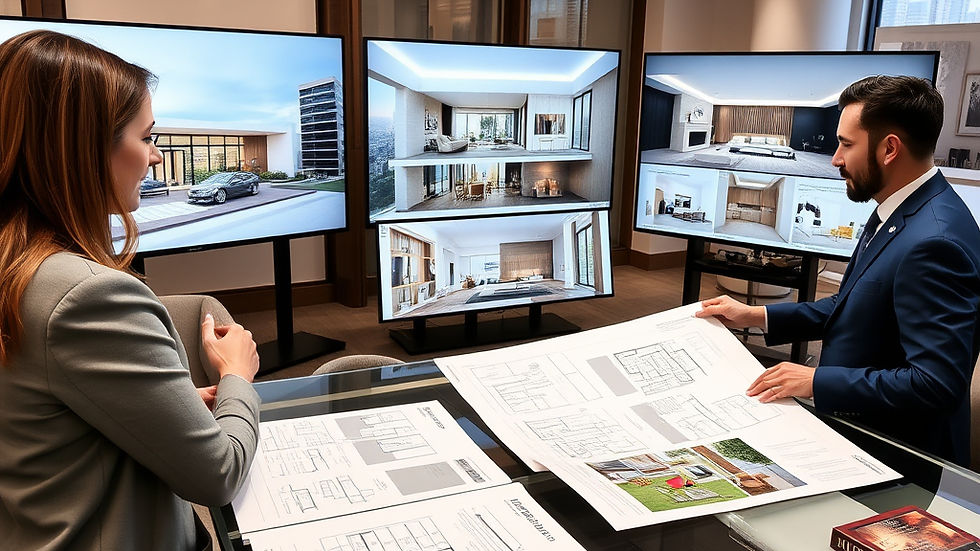
Instead of choosing the lowest quotation, compare professionals across several criteria, including their experience, portfolio, material quality, project timelines, and client reviews. Whether you're planning a complete Home renovation Mumbai project or a simple interior makeover, evaluating these factors helps you choose a designer who delivers long-term value rather than just the lowest price.
Evaluation Factor | Why It Matters |
Portfolio | Design quality and versatility |
Experience | Ability to manage projects |
Communication | Smooth collaboration |
Material Knowledge | Better long-term durability |
Project Management | Timely execution |
Transparency | Fewer hidden costs |
Reviews | Client satisfaction |
Warranty | Long-term peace of mind |
The best value often comes from balancing quality, service, and budget rather than focusing only on price.
Expert Tip
Meet at least three interior designers before making your decision. Comparing ideas, communication styles, project approaches, and quotations helps you choose a professional who aligns with your vision and budget. A slightly higher initial investment with an experienced designer can often save money by reducing design errors, delays, and rework.
Room-by-Room Interior Design Ideas

A successful interior design project is built around the way each room functions. Every area of your home should balance aesthetics with practicality while maintaining a consistent design language.
Living Room Design
The living room is often the first space visitors notice and serves as the central gathering area for family and friends.
Modern Living Room Features
Open-plan layout
Comfortable sectional sofa
Floating TV unit
Designer lighting
Fluted wall panels
Large area rug
Indoor plants
Hidden storage
Expert Tip
Avoid overcrowding the room with oversized furniture. Instead, invest in a few high-quality pieces that complement the available space. An Interior design consultation Mumbai can help you choose furniture with the right proportions, ensuring your home feels spacious, functional, and visually balanced.
Luxury Bedroom Design
A well-designed bedroom should feel relaxing while offering sufficient storage.
Must-Have Features
Upholstered bed
Floor-to-ceiling wardrobe
Floating bedside tables
Soft lighting
Blackout curtains
Reading corner
Warm colour palette
Choose layered bedding, textured cushions, and natural fabrics to create a hotel-inspired atmosphere.
Modern Modular Kitchen
Today's kitchens combine efficiency with elegant design.
Popular features include:
Handleless cabinets
Soft-close drawers
Pull-out pantry
Quartz countertop
Under-cabinet lighting
Built-in appliances
Tall storage units
A modular kitchen improves organization while making everyday cooking more enjoyable.
Bathroom Design
Bathrooms have become wellness spaces rather than purely functional rooms.
Trending Ideas
Floating vanity
Backlit mirror
Frameless shower enclosure
Large-format tiles
Matte black fittings
Built-in storage niches
These features enhance both aesthetics and ease of maintenance.
Home Office
Remote work has made home offices an essential part of modern homes.
Key Elements
Ergonomic chair
Floating desk
Adjustable lighting
Cable management
Shelving
Acoustic treatment
Position the workspace near natural light whenever possible.
Balcony Design
Even a compact balcony can become a relaxing outdoor retreat.
Ideas include:
Vertical gardens
Wooden decking
Outdoor seating
Decorative lighting
Compact coffee table
Hanging planters
A thoughtfully designed balcony extends your living space and creates a peaceful environment.
Smart Home Integration

Modern homes increasingly incorporate technology that improves comfort, convenience, and energy efficiency.
Smart Lighting
Adjust brightness and schedules using mobile apps or voice assistants.
Smart Security
Popular systems include:
Video doorbells
Smart locks
Motion sensors
CCTV integration
Smart Climate Control
Automated air-conditioning systems improve comfort while reducing energy consumption.
Motorized Curtains
Automated curtains protect interiors from sunlight while adding convenience and elegance.
Choosing the Right Materials
Material selection significantly influences durability, maintenance, and overall appearance.
Flooring
Popular options:
Italian marble
Engineered wood
Large-format porcelain tiles
Luxury vinyl flooring
Wall Finishes
Trending finishes include:
Textured paint
Fluted wood panels
Stone cladding
Decorative wallpaper
Microcement
Furniture Materials
Recommended choices:
Solid wood
Premium plywood
Natural veneer
High-quality laminates
Leather upholstery
Selecting durable materials often reduces maintenance costs over the long term.
Luxury vs Budget Interiors

Every project requires balancing aspirations with available resources.
Feature | Budget | Luxury |
Furniture | Ready-made | Custom-built |
Kitchen | Laminate finish | Acrylic / PU finish |
Wardrobes | Standard | Walk-in wardrobes |
Lighting | Basic LED fixtures | Layered designer lighting |
Flooring | Vitrified tiles | Marble or engineered wood |
Hardware | Standard | Premium imported systems |
Luxury interiors focus on customization, premium materials, and craftsmanship, while budget interiors emphasize practicality and cost efficiency.
Common Interior Design Mistakes
Avoiding common mistakes helps ensure a smoother project and better long-term results.
Choosing Style Over Function
Beautiful spaces should also support everyday activities.
Ignoring Storage
Insufficient storage often leads to clutter, making even beautifully designed homes feel disorganized.
Poor Lighting Planning
Using only ceiling lights creates flat interiors. Layered lighting adds warmth and visual interest.
Oversized Furniture
Furniture that is too large for the room reduces circulation space and makes apartments feel cramped.
Following Short-Term Trends
Timeless materials and neutral colours generally provide better long-term value than rapidly changing trends.
Expert Recommendations
Professional interior designers often suggest the following:
Finalize layouts before selecting furniture.
Invest in durable hardware.
Keep colour palettes consistent throughout the home.
Combine natural materials with modern finishes.
Prioritize storage in every room.
Leave adequate circulation space.
Incorporate indoor plants for warmth and freshness.
Use mirrors strategically to reflect natural light.
Checklist Before Starting Your Interior Project
✔ Budget finalized
✔ Design style selected
✔ Designer shortlisted
✔ Layout approved
✔ Materials chosen
✔ Furniture planned
✔ Lighting finalized
✔ Smart technology considered
✔ Timeline agreed
✔ Contract reviewed
Completing this checklist before work begins reduces delays and helps maintain better control over your project.
Interior Design Trends Shaping Mumbai Homes in 2026

Interior design in Mumbai continues to evolve as homeowners seek spaces that are elegant, functional, and future-ready. Interior design trends 2026 highlight a blend of sustainable materials, smart home technology, warm minimalism, and personalized interiors. While trends change every year, the most successful homes combine timeless design principles with modern innovations.
Warm Minimalism
Minimalist interiors are becoming warmer and more inviting through the use of natural wood, earthy colour palettes, textured fabrics, and soft lighting.
Custom Storage Solutions
Space is a premium in Mumbai, making bespoke wardrobes, modular kitchens, hidden storage, and multifunctional furniture increasingly popular.
Smart Home Technology
Luxury and mid-range homes alike are adopting:
Smart lighting
Digital door locks
Automated curtains
Smart thermostats
Voice-controlled assistants
Energy monitoring systems
Sustainable Interiors
Eco-conscious design continues to grow with:
FSC-certified wood
Low-VOC paints
LED lighting
Water-efficient fittings
Recycled and natural materials
Statement Lighting
Lighting is no longer just functional. Designer chandeliers, pendant lights, magnetic track lighting, and concealed LED strips are becoming defining features of modern interiors.
Frequently Asked Questions
1. How do I choose the best interior designer in Mumbai?
Look for a designer with experience in residential projects similar to yours, a strong portfolio, transparent pricing, positive client reviews, and a clear project management process. Always compare multiple proposals before making a decision.
2. What services do interior designers provide?
Most professional designers offer:
Space planning
2D layouts
3D visualizations
Material selection
Furniture design
Lighting design
Site supervision
Turnkey execution
Project management
Some also provide post-completion support and maintenance guidance.
3. Is hiring an interior designer worth the investment?
Yes. A qualified interior designer can improve functionality, optimize space, manage contractors, reduce costly mistakes, and create a cohesive design that adds long-term value to your home.
4. How long does a complete interior design project take?
Typical timelines are:
Home Type | Estimated Duration |
1BHK | 6–8 weeks |
2BHK | 8–12 weeks |
3BHK | 10–14 weeks |
Luxury Apartment | 3–6 months |
Villa | 6–12 months |
Project duration depends on customization, approvals, material availability, and site conditions.
5. What should I discuss during the first consultation?
Prepare to discuss:
Budget
Lifestyle needs
Family size
Design preferences
Timeline
Storage requirements
Smart home features
Future plans
The more information you provide, the more personalized the design proposal will be.
6. How can I control interior design costs?
You can stay within budget by:
Finalizing designs before execution
Prioritizing essential rooms
Choosing durable mid-range materials
Comparing multiple quotations
Keeping a contingency fund of 10–15%
Avoiding frequent design changes
7. What is the most popular interior design style in Mumbai?
Modern contemporary and warm minimalist styles remain among the most popular because they maximize space, emphasize functionality, and create timeless interiors.
8. Can interior designers work with small apartments?
Absolutely. Experienced designers often specialize in compact homes and use modular furniture, custom storage, mirrors, and efficient layouts to make small apartments feel larger and more organized.
9. Should I choose custom furniture or ready-made furniture?
Custom furniture is ideal for maximizing available space and achieving a cohesive design. Ready-made furniture can reduce costs and shorten delivery times. Many homeowners combine both approaches.
10. What should be included in an interior design contract?
A detailed contract should include:
Scope of work
Material specifications
Payment schedule
Project timeline
Warranty information
Design revisions
Change order process
Completion terms
Review every section carefully before signing.
Expert Recommendations
To achieve the best results for your home:
Define your goals and budget before meeting designers.
Shortlist at least three professionals and compare their portfolios.
Focus on functionality first, then aesthetics.
Invest in quality carpentry, hardware, and lighting.
Choose timeless materials rather than following every trend.
Plan electrical points and smart-home features early.
Prioritize natural light and ventilation.
Maintain a consistent colour palette throughout the home.
Reserve a contingency budget for unexpected costs.
Thoughtful planning at the beginning of a project often leads to better outcomes and fewer expensive changes later.
Conclusion
Choosing the best Interior Designers in Mumbai is one of the most important decisions you'll make when creating your dream home. Experienced Interior Designers in Mumbai bring together creativity, technical expertise, and project management to transform your ideas into a home that is both beautiful and practical.
Whether you're designing a compact apartment, renovating a family home, or creating a luxury residence, success depends on clear planning, realistic budgeting, quality materials, and open communication throughout the project.
By understanding the latest design trends, comparing designers carefully, and focusing on long-term functionality instead of short-term trends, you can create a home that reflects your personality while providing comfort, efficiency, and lasting value.


Comments