.png)

15 Modern Office Interior Design Ideas to Boost Productivity in 2026

Introduction
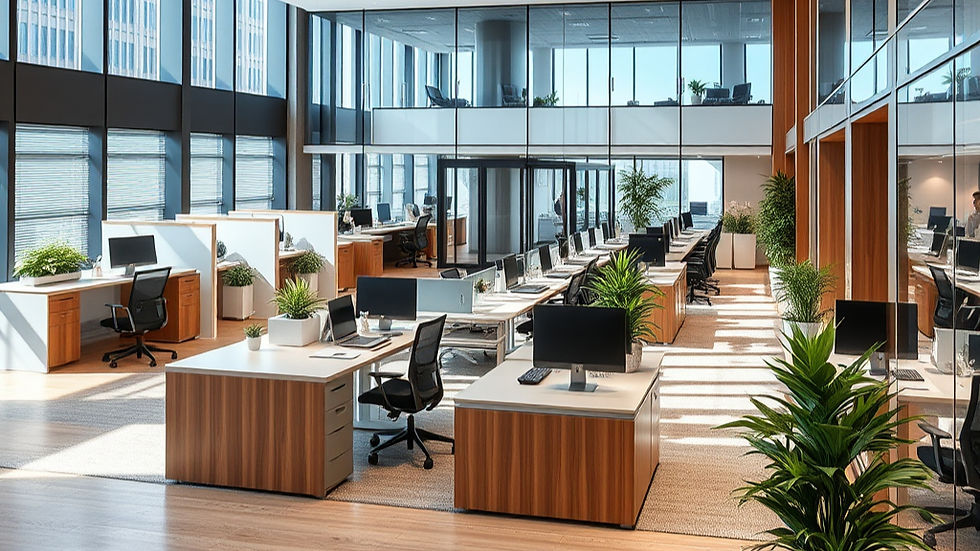
The modern office has evolved far beyond rows of desks and enclosed cabins. In 2026, businesses are creating workspaces that encourage collaboration, creativity, flexibility, and employee well-being. A thoughtfully designed office not only looks professional but also improves productivity, strengthens company culture, and leaves a lasting impression on clients.
Whether you're designing a startup office, renovating a corporate workspace, or upgrading a commercial office, the right interior design choices can make a measurable difference. From ergonomic furniture and natural lighting to smart technology and wellness-focused spaces, modern offices are designed around the people who use them every day.
In this guide, we'll explore 15 modern office interior design ideas that can help create a productive, inspiring, and future-ready workplace.
Why Office Interior Design Matters

A well-planned office directly influences how employees work and interact. Research consistently shows that comfortable, organized, and visually appealing workspaces contribute to higher job satisfaction and better performance.
Benefits of Modern Office Design
Increases employee productivity
Improves collaboration
Enhances employee well-being
Creates a professional brand image
Optimizes available space
Supports hybrid work models
Boosts creativity and innovation
Improves client experience
Investing in workplace design is an investment in your business and your people.
1. Create Flexible Open Workspaces
Modern offices are moving away from rigid layouts and embracing flexible work environments. Instead of assigning fixed desks, many businesses are introducing adaptable spaces that support different work styles.
Design Ideas
Open workstation layouts
Modular furniture
Shared collaboration tables
Movable partitions
Multi-purpose work areas
Why It Works
Flexible workspaces encourage teamwork while making it easier to adapt the office as teams grow or projects change. For inspiration on creating agile and collaborative work environments, explore our Modern Office Interior Design guide.
2. Invest in Ergonomic Furniture
Employee comfort is one of the biggest drivers of workplace productivity.
Essential Ergonomic Furniture
Height-adjustable desks
Ergonomic office chairs
Monitor arms
Footrests
Adjustable keyboard trays
Providing proper ergonomic support helps reduce fatigue, improves posture, and enhances concentration throughout the workday.
3. Maximize Natural Light

Natural light remains one of the most effective ways to improve employee wellness and create an inviting office environment.
Best Practices
Position workstations near windows.
Use glass partitions instead of solid walls.
Select light-colored finishes to reflect daylight.
Install adjustable blinds to reduce glare.
Natural daylight helps reduce eye strain, supports alertness, and creates a brighter, healthier workspace.
4. Bring Nature Indoors with Biophilic Design
Biophilic design connects employees with nature by incorporating natural materials and greenery into the workplace.
Popular Biophilic Features
Indoor plants
Green walls
Natural wood finishes
Stone textures
Indoor planters
Water features
Large windows
Benefits
Reduces stress
Improves air quality
Encourages creativity
Creates a calming work environment
5. Design Inspiring Collaboration Zones
Modern teams need spaces where they can meet, brainstorm, and exchange ideas outside traditional conference rooms.
Include
Lounge seating
Coffee corners
Writable walls
Modular sofas
Shared tables
Digital presentation screens
These collaborative areas encourage spontaneous discussions and strengthen teamwork.
Key Design Principles for 2026
Design Element | Business Benefit |
Flexible Layouts | Better adaptability |
Ergonomic Furniture | Improved employee comfort |
Natural Lighting | Higher productivity |
Biophilic Design | Reduced stress |
Collaboration Spaces | Better teamwork |
Expert Tip
The best office interiors balance aesthetics with functionality. Before choosing finishes or furniture, understand how your employees work, collaborate, and move throughout the office. Designing around real workplace behavior creates an environment that supports productivity today while remaining adaptable for future growth. Our Office Interior Design Ideas guide showcases modern layouts, collaborative workspaces, ergonomic furniture, and design trends for productive offices.
6. Integrate Smart Office Technology

Technology is reshaping workplaces by making them more efficient, connected, and user-friendly. Smart office solutions streamline daily operations while creating a better experience for employees and visitors.
Smart Office Features to Consider
Smart lighting with occupancy sensors
Digital meeting room booking systems
Wireless presentation technology
Touchless access control
AI-powered visitor management
Smart climate control
Wireless charging stations
Occupancy analytics
Benefits
Reduces energy consumption
Improves workplace efficiency
Enhances security
Supports hybrid work environments
Simplifies facility management
Investing in smart technology can also reduce operating costs over the long term.
7. Improve Office Acoustics
Noise is one of the biggest productivity challenges in open-plan offices. Effective acoustic planning helps employees concentrate while supporting collaboration.
Acoustic Design Ideas
Acoustic ceiling panels
Fabric wall panels
Carpet tiles
Sound-absorbing partitions
Phone booths
Quiet pods
Upholstered furniture
Benefits
Better focus
Reduced distractions
Improved meeting privacy
More comfortable work environment
A balanced acoustic strategy creates spaces suitable for both teamwork and focused individual work.
8. Create Wellness Spaces
Employee well-being is now a central element of office design. Wellness-focused workplaces help reduce stress, improve morale, and encourage healthier work habits.
Ideas for Wellness Areas
Meditation rooms
Relaxation lounges
Quiet zones
Indoor gardens
Healthy pantry areas
Fitness corners
Standing workstations
Why It Matters
Employees who have access to spaces for relaxation and recovery often feel more engaged and productive throughout the day.
9. Reflect Your Brand Through Interior Design

A modern office should communicate your company's identity. Branding should be integrated thoughtfully rather than appearing purely decorative.
Branding Elements
Feature logo wall
Company color palette
Mission and values graphics
Custom artwork
Digital displays
Wayfinding signage
Product showcase areas
A branded office creates a memorable experience for clients while reinforcing company culture for employees.
10. Upgrade Your Office Lighting
Lighting influences mood, comfort, and workplace performance. Modern offices use layered lighting to create comfortable environments throughout the day.
Lighting Strategies
Maximize natural daylight
Install LED fixtures
Use task lighting at workstations
Add accent lighting in reception areas
Install dimmable lights in meeting rooms
Use decorative pendant lighting in collaboration spaces
Benefits
Reduced eye strain
Better concentration
Improved energy efficiency
Enhanced visual appeal
Human-centric lighting systems that adjust brightness and color temperature based on the time of day are becoming increasingly popular in premium offices.
Choosing the Right Office Layout
Selecting the right layout is essential for productivity.
Layout Style | Best For | Main Advantage |
Open Plan | Startups & creative teams | Collaboration |
Hybrid Layout | Growing businesses | Flexibility |
Activity-Based Workspace | Large organizations | Supports different work styles |
Cellular Office | Legal & financial firms | Privacy |
Coworking Style | Shared offices | Adaptability |
Choose a layout based on how your employees actually work rather than following design trends alone.
Modern Office Color Trends
Color has a powerful impact on employee mood and productivity. To learn how colour psychology shapes productive work environments, explore our Workplace Interior Design guide.
Color | Workplace Effect |
Blue | Focus and calmness |
Green | Reduces stress |
White | Creates openness |
Grey | Professional appearance |
Beige | Warm and welcoming |
Natural Wood | Comfort and sophistication |
Neutral palettes paired with subtle accent colors create timeless office interiors.
Affordable Office Upgrades

Not every improvement requires a major renovation.
Budget-Friendly Ideas
Replace outdated lighting with LEDs.
Introduce indoor plants.
Refresh walls with modern paint colors.
Upgrade office chairs.
Add acoustic panels.
Install branded graphics.
Improve storage solutions.
Rearrange furniture to improve circulation.
Upgrade meeting room technology.
Add collaborative seating.
Small improvements can dramatically enhance both aesthetics and functionality.
Expert Tip
The most productive offices offer employees a choice of work environments. Combine open collaboration areas, quiet focus spaces, ergonomic workstations, and wellness zones to support different tasks throughout the day. Flexibility is one of the defining characteristics of successful workplaces in 2026.
11. Design for Hybrid Work
Hybrid work has become a permanent part of many organizations. Instead of assigning every employee a fixed desk, businesses are creating flexible work environments that support both in-office and remote teams.
Hybrid Workspace Features
Hot-desking stations
Shared collaboration tables
Reservable meeting rooms
Video conferencing spaces
Phone booths for private calls
Mobile storage units
Wireless connectivity throughout the office
Benefits
Better space utilization
Lower real estate costs
Greater flexibility
Improved employee satisfaction
A hybrid-ready office adapts easily to changing workforce needs while maximizing efficiency.
12. Choose Sustainable Materials

Sustainability continues to influence commercial interior design in 2026. Businesses are increasingly selecting eco-friendly materials that reduce environmental impact while offering durability and long-term value.
Popular Sustainable Materials
FSC-certified wood
Bamboo panels
Recycled metal
Cork flooring
Recycled carpet tiles
Low-VOC paints
Energy-efficient LED lighting
Recycled glass
Business Benefits
Reduced operating costs
Improved indoor air quality
Stronger environmental credentials
Lower maintenance requirements
Sustainable design also aligns with the expectations of environmentally conscious employees and clients.
13. Create Multi-Purpose Spaces
Modern offices benefit from areas that can serve different functions throughout the day.
Examples
Training room that converts into an event space
Café used for informal meetings
Lounge for brainstorming sessions
Meeting room with movable partitions
Flexible workshop areas
Advantages
Better use of available space
Greater flexibility
Lower renovation costs
Easier adaptation to business growth
Multi-functional spaces are particularly valuable in offices where maximizing every square foot is important.
14. Incorporate Residential Comfort
Many companies are moving away from traditional corporate interiors and creating offices that feel warm, welcoming, and comfortable.
Ideas
Soft lounge seating
Area rugs
Decorative lighting
Wooden finishes
Indoor plants
Comfortable breakout areas
Bookshelves and display units
Why It Works
Residential-inspired elements help employees feel more relaxed while creating a workplace that encourages creativity and collaboration.
15. Showcase Art and Local Culture
Artwork and carefully selected decorative features can transform an office into a memorable, inspiring environment.
Design Ideas
Murals by local artists
Sculptural lighting
Feature walls
Cultural artwork
Inspirational graphics
Interactive installations
Custom-designed décor
These additions strengthen brand identity while making the office unique and engaging.
Office Design Trends Shaping 2026

The following trends are influencing commercial interiors across industries. Our Office Design Trends 2026 guide highlights the latest innovations in workplace layouts, hybrid workspaces, sustainable materials, smart offices, and employee-centric design.
Trend | Business Benefit |
Hybrid Workspaces | Greater flexibility |
Smart Office Technology | Improved efficiency |
Sustainable Materials | Lower environmental impact |
Biophilic Design | Better employee well-being |
Modular Furniture | Easier reconfiguration |
Wellness Spaces | Higher employee satisfaction |
Acoustic Solutions | Increased focus |
Experience-Driven Reception | Stronger first impressions |
Organizations that adopt these trends are better equipped to support modern workstyles and attract top talent.
How to Plan a Modern Office Interior

A successful office project begins with careful planning.
Step 1: Understand Business Needs
Define:
Employee count
Department requirements
Future expansion plans
Visitor flow
Technology needs
Step 2: Establish a Realistic Budget
Allocate funds for:
Design
Construction
Furniture
Technology
Branding
Contingency (5–10%)
Step 3: Create Functional Zones
Include spaces for:
Individual work
Team collaboration
Meetings
Breaks
Reception
Storage
A balanced mix of spaces supports different work styles throughout the day.
Step 4: Select Durable Materials
Choose commercial-grade materials that are easy to maintain and designed for heavy daily use.
Step 5: Monitor Project Execution
Conduct regular site inspections, review progress against the timeline, and approve material samples before installation to maintain quality and avoid delays.
Future of Office Design
Looking ahead, workplaces will continue to prioritize flexibility, employee wellness, and technology. Our Sustainable Office Design guide explains how energy-efficient materials, biophilic design, smart technologies, and environmentally responsible practices are transforming modern workspaces.
Emerging developments include:
AI-powered workplace management
Occupancy analytics
Human-centric lighting
Carbon-neutral office design
Adaptive workspaces
Intelligent climate control
Advanced acoustic solutions
Businesses that invest in adaptable office environments today will be better prepared for the evolving needs of tomorrow's workforce.
Expert Tip
Rather than following every design trend, focus on creating an office that reflects your organization's culture and supports the way your team works. Flexible layouts, ergonomic furniture, sustainable materials, and technology that simplifies daily operations provide lasting value and help create a workplace employees genuinely enjoy.
Common Office Interior Design Mistakes to Avoid
Even with a generous budget, poor planning can lead to an office that looks attractive but doesn't support productivity. Avoiding these common mistakes helps create a workspace that is both functional and future-ready.
1. Prioritizing Style Over Function
A modern office should be visually appealing, but functionality should always come first.
Common Problems
Narrow walkways
Poor workstation spacing
Inconvenient meeting room locations
Limited storage
Inefficient employee movement
Solution
Design the office around daily workflows rather than aesthetics alone. Observe how teams collaborate, move, and use different spaces before finalizing the layout.
2. Ignoring Employee Feedback
Employees spend more time in the office than anyone else, making their input extremely valuable.
Ask Employees About
Seating comfort
Noise levels
Meeting room availability
Breakout spaces
Lighting quality
Storage requirements
Collaboration needs
Gathering feedback before designing the office often results in higher satisfaction after the project is complete.
3. Poor Space Planning
An inefficient floor plan wastes valuable space and affects productivity.
Best Practices
Maintain clear circulation paths.
Separate quiet and collaborative zones.
Position meeting rooms centrally.
Keep shared amenities easily accessible.
Ensure sufficient workspace between desks.
Good space planning improves workflow and creates a more comfortable environment.
4. Inadequate Storage Solutions
Modern offices generate less paper than before, but storage remains essential.
Include:
Mobile pedestals
Lockers
Filing cabinets
Built-in storage
Multi-purpose furniture
Server and equipment storage
Organized workplaces reduce clutter and improve efficiency.
5. Forgetting About Future Growth
Businesses evolve quickly.
Plan for:
Additional employees
More meeting rooms
Flexible workstations
Scalable networking
Expandable storage
Choosing modular furniture and adaptable layouts makes future expansion easier and more cost-effective.
Office Interior Planning Checklist

Before starting your office project, review the following checklist.
Business Planning
✔ Define employee capacity
✔ Forecast future growth
✔ Understand departmental requirements
✔ Identify collaboration needs
✔ Set branding objectives
Design Planning
✔ Finalize office layout
✔ Approve 2D drawings
✔ Review 3D visualizations
✔ Select materials
✔ Confirm furniture specifications
✔ Finalize lighting design
Technology Planning
✔ Wi-Fi coverage
✔ Power outlets
✔ Data cabling
✔ Video conferencing
✔ Access control
✔ CCTV
✔ Meeting room technology
Planning technology early reduces future disruption and expensive modifications.
Budget Planning
Allocate funds for:
Interior design
Civil work
Furniture
Electrical systems
Lighting
Technology
Branding
Contingency reserve (5–10%)
A detailed budget helps keep the project under control from start to finish.
Execution Planning
Before construction begins, confirm:
Project timeline
Material delivery schedule
Site supervision plan
Safety procedures
Quality inspection schedule
Final handover checklist
A structured implementation plan minimizes delays and helps maintain quality.
How to Choose the Right Office Interior Designer

Selecting the right interior designer can make the difference between a smooth project and an expensive renovation. For inspiration and expert guidance, explore our Corporate Office Interiors.
Review Their Portfolio
Look for completed projects similar to yours.
Evaluate:
Workspace planning
Material quality
Brand integration
Furniture design
Overall functionality
Verify Commercial Experience
Commercial offices have different requirements from residential interiors.
A qualified designer should understand:
Workplace planning
Building services coordination
Fire and safety considerations
Technology integration
Commercial material specifications
Compare Detailed Quotations
Instead of comparing only the total price, evaluate:
Scope of work
Material specifications
Furniture details
Timeline
Payment schedule
Warranty
Exclusions
Transparent quotations make vendor comparisons easier and reduce the risk of hidden costs.
Check Client Reviews
Before making a decision:
Read online reviews.
Request client references.
Visit completed projects where possible.
Assess communication and project management capabilities.
Past performance often provides a reliable indication of future results.
Workspace Optimization Tips
Small improvements can make a noticeable difference in employee productivity.
Create Activity-Based Zones
Provide dedicated areas for:
Focused work
Team collaboration
Informal discussions
Video calls
Relaxation
Employees can choose the most suitable environment for each task.
Improve Indoor Air Quality
Healthy workplaces support employee well-being.
Consider:
Fresh air ventilation
Air purification systems
Indoor plants
Low-VOC materials
Better indoor environments often improve comfort and concentration.
Encourage Movement
Introduce features that promote physical activity.
Examples include:
Sit-stand desks
Centralized shared amenities
Wide staircases
Standing meeting tables
Walking paths
Movement throughout the workday helps reduce fatigue and supports overall health.
Use Layered Lighting
Combine:
Ambient lighting
Task lighting
Accent lighting
This approach improves visual comfort while creating a more inviting office atmosphere.
Professional Implementation Strategies
To ensure a successful project:
Approve material samples before procurement.
Conduct weekly site inspections.
Verify all dimensions before furniture manufacturing.
Track progress against milestones.
Document design changes in writing.
Test electrical, networking, AV, and HVAC systems before occupancy.
Complete a snag inspection before final handover.
Consistent monitoring helps maintain quality and keeps the project on schedule.
Expert Tip
A productive office is never "finished." After employees begin using the workspace, collect feedback on layout, lighting, acoustics, furniture, and collaboration areas. Continuous improvements based on real user experience can significantly increase employee satisfaction and maximize the long-term value of your office investment.
Frequently Asked Questions (FAQs)
1. What are the latest office interior design trends in 2026?
Some of the biggest workplace trends include:
Hybrid office layouts
Activity-based working (ABW)
Biophilic design
Smart office technology
Ergonomic furniture
Wellness spaces
Sustainable materials
Modular workstations
Acoustic office solutions
Flexible collaboration zones
These trends focus on improving productivity while creating healthier and more adaptable work environments.
2. How does office interior design improve productivity?
A thoughtfully designed office supports employees by:
Reducing distractions
Improving lighting and ventilation
Providing ergonomic furniture
Encouraging collaboration
Supporting focused work
Creating organized workspaces
An efficient office environment helps employees work more comfortably and effectively.
3. What colors are best for modern office interiors?
Color psychology plays an important role in workplace design.
Recommended colors include:
Blue: Encourages focus and concentration
Green: Reduces stress and eye strain
White: Creates openness and brightness
Grey: Delivers a professional appearance
Beige: Adds warmth and sophistication
Natural wood tones: Creates a welcoming atmosphere
Combining neutral tones with subtle brand colors creates timeless office interiors.
4. What furniture should every modern office include?
Essential furniture includes:
Ergonomic office chairs
Height-adjustable desks
Modular workstations
Conference tables
Reception furniture
Storage cabinets
Lounge seating
Collaborative tables
Phone booths
Meeting room furniture
Investing in ergonomic furniture improves employee comfort and supports long-term productivity.
5. Why is natural lighting important in office design?
Natural daylight offers several workplace benefits:
Improves mood
Reduces eye strain
Supports alertness
Lowers energy consumption
Creates a healthier work environment
Positioning desks near windows and using glass partitions can help distribute daylight throughout the office.
6. What is biophilic office design?
Biophilic design introduces natural elements into the workplace.
Examples include:
Indoor plants
Living green walls
Natural timber
Stone finishes
Water features
Daylight optimization
These elements contribute to employee well-being while creating visually appealing interiors.
7. How can startups modernize their office on a limited budget?
Affordable upgrades include:
LED lighting
Modular furniture
Indoor plants
Acoustic panels
Brand graphics
Fresh paint
Flexible collaboration areas
Improved storage
These changes can significantly improve the workspace without requiring a complete renovation.
8. What are the most common office design mistakes?
Avoid:
Poor space planning
Ignoring employee feedback
Insufficient storage
Weak acoustic planning
Choosing style over functionality
Ignoring future expansion
Underestimating technology requirements
Inadequate lighting
Addressing these issues early helps create a more efficient workplace.
9. Should every office have breakout spaces?
Yes. Breakout areas provide employees with informal environments for relaxation, collaboration, and creative discussions.
Benefits include:
Reduced stress
Improved teamwork
Increased creativity
Better employee satisfaction
These spaces contribute to a healthier and more balanced workplace culture.
10. How often should an office interior be updated?
Most businesses consider a major office refresh every 5–10 years, depending on growth, technology upgrades, and changing workplace needs. Smaller updates—such as replacing furniture, improving lighting, or refreshing finishes—can be carried out more frequently to maintain a modern and functional environment.
Conclusion
A productive office is no longer defined by expensive finishes alone. The most successful workplaces combine flexible layouts, ergonomic furniture, natural light, smart technology, sustainable materials, and employee-focused amenities to create environments where people can perform at their best. Our Modern Workplace Ideas guide showcases innovative office concepts, collaborative spaces, wellness-focused designs, and future-ready workplace solutions.
By implementing these 15 modern office interior design ideas, businesses can improve collaboration, strengthen company culture, enhance employee well-being, and create a workspace that supports long-term growth. Whether you're designing a startup office, renovating an established workplace, or planning a corporate headquarters, thoughtful design decisions today will continue to deliver value well into the future.


Comments